The Nuwat Journals: Mansi’s Stories from the Field

As the field season comes to an end, so does my time as a research assistant at Nuwat. With all endings come some sadness, some happiness and a lot of reflection.
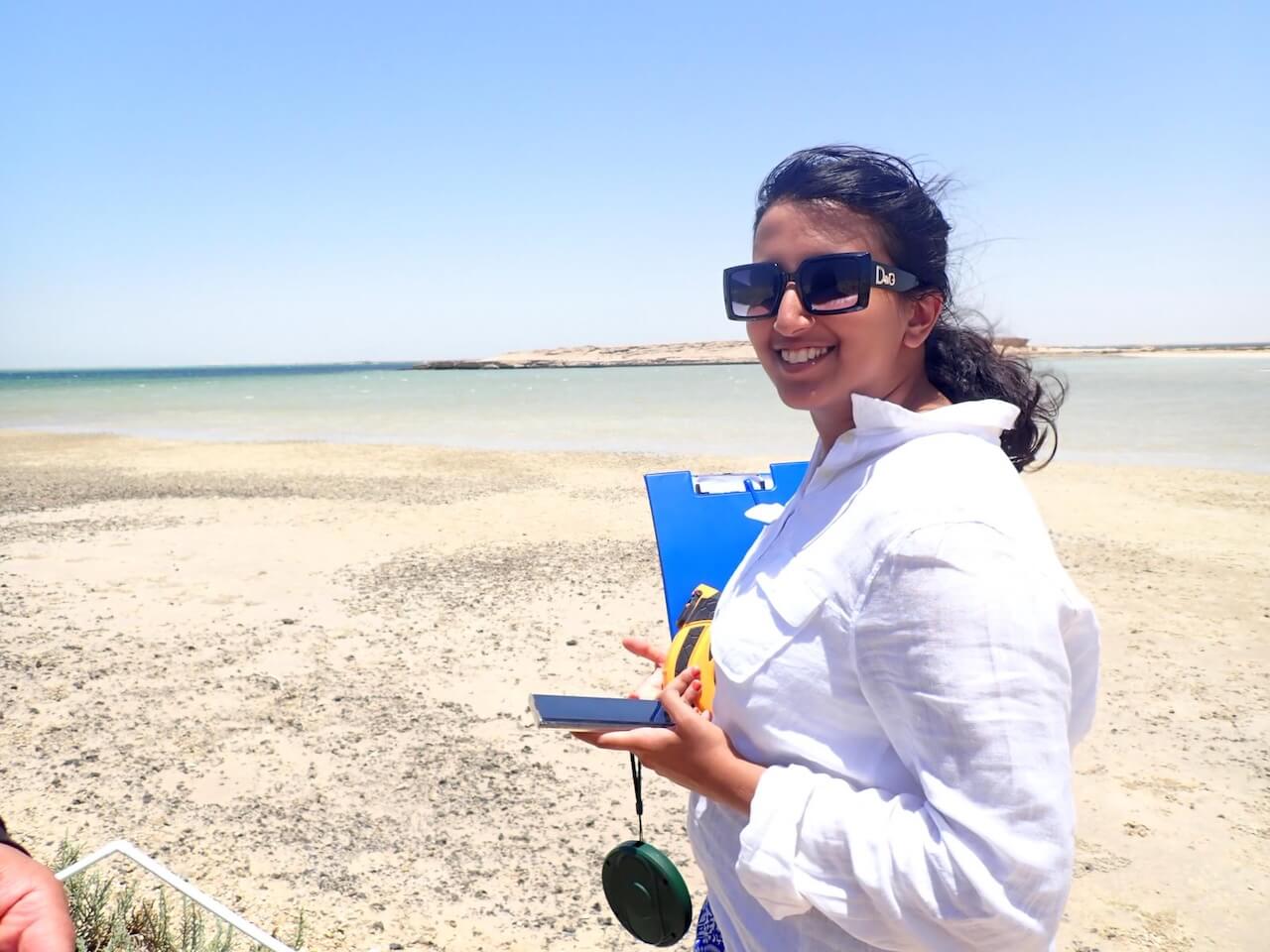
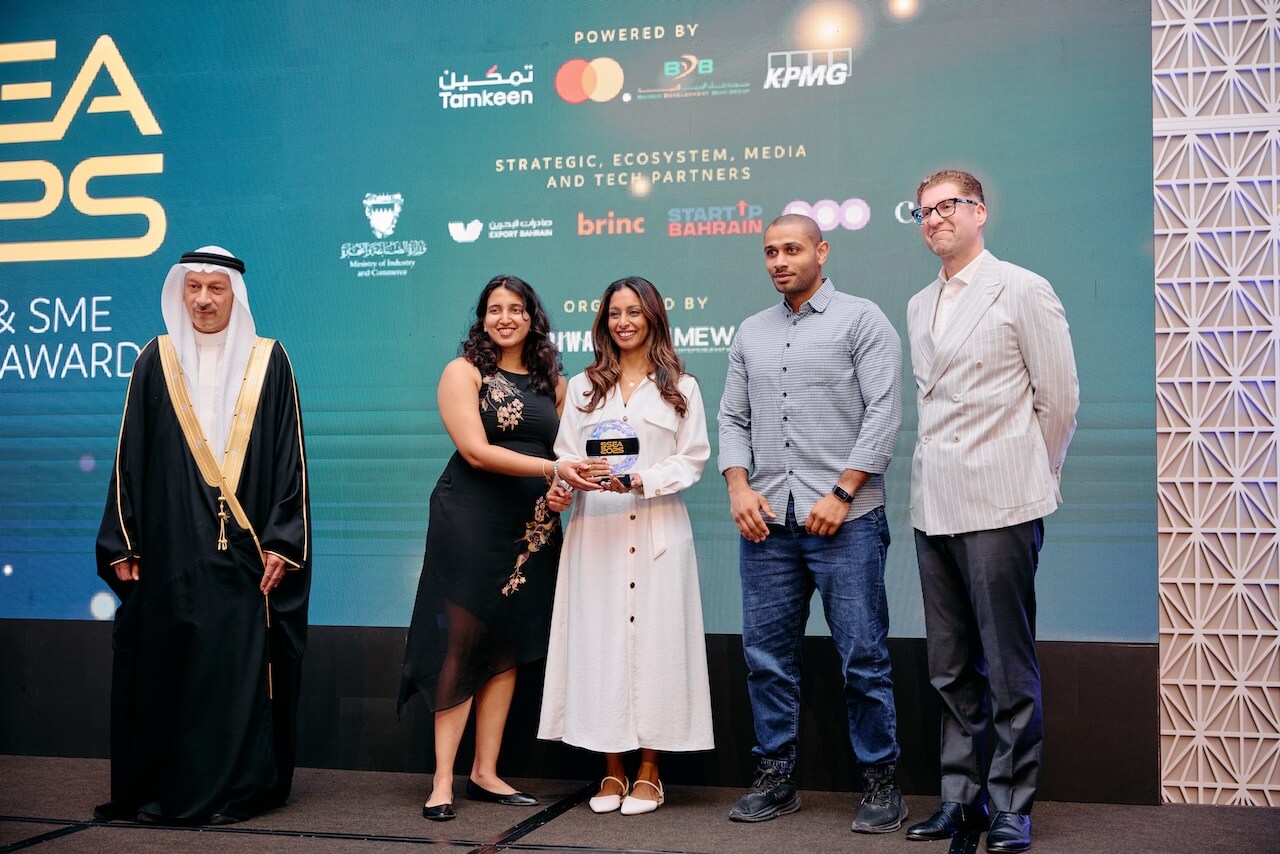
Over the past months, I’ve been everywhere: from boats on the open sea to the remote shores of Hawar Island, from fish markets at the crack of dawn to ultra-formal stakeholder meetings and even some fancy award shows. Each experience has taught me something new about Bahrain’s nature, its people, and the work it takes to protect both.
Being born and raised here, Bahrain is my home. The chance to explore its nature, learn from it and give back to it in my own small way has been something truly special. So I just wanted to take this opportunity to share some of my thoughts, reflections, and take you into the ‘Nuwat’ of my journey.
- The Importance of Connection to Nature
January 2025 – I just moved back to Bahrain after working at Natural England, and I wasn’t done learning. I was looking for a way to be out in nature and learn about it.
As I scrolled Instagram, there it was “Field Course: Sheikh Ibrahim Island” – exactly what I was looking for. When the boat docked and I walked around with Dr Reem, Mohamed, and Mr. Syed Khalil, who were ever so knowledgeable and passionate about the area. I knew I was in the right place with the right people.
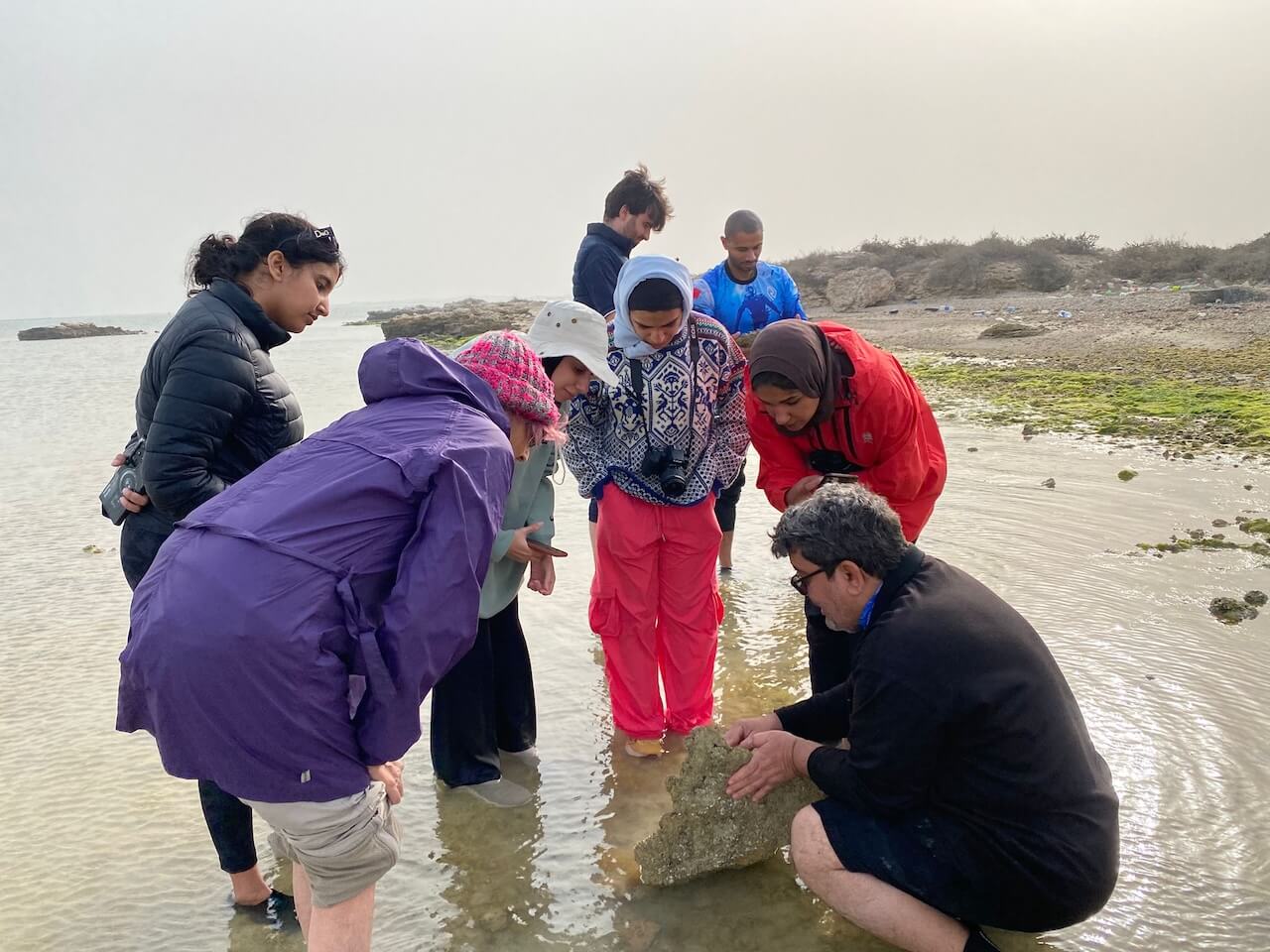
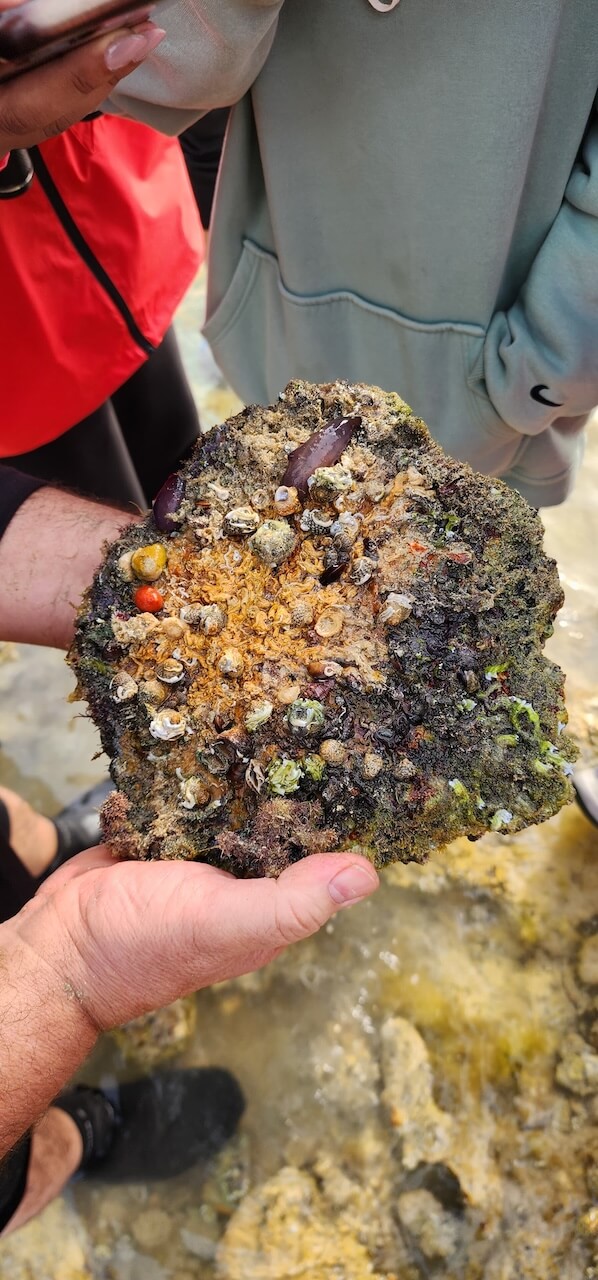
As we flipped over rocks to see the creatures that lived below, I was amazed to see so much biodiversity under just one rock (photo included because words can only do so much) – if this much life exists under one rock, how much is out there that we never see? I lived in Bahrain for most of my life, and I thought I was quite the explorer, but I had no idea. I couldn’t wait to go home and share this with anyone who would listen and they were just as shocked as I was.
Since then, I’ve been to places that only 10% of Bahrain has explored, including protected areas where fewer than 1% have set foot— and while it’s a fun fact to share, it also brings forward a challenge. Access to nature isn’t always easy, especially with urban development and limited open spaces. How can we protect something we’re not connected to, or worse, don’t even know exists?
Good policies aren’t just about protecting nature on paper. They work best when people care about what’s being protected. It’s not just about keeping nature safe, but finding ways to help people experience and appreciate it meaningfully.
That’s where Nuwat’s courses come in. They take you to places you might never have found on your own and help you understand the life that thrives there. When we’ve seen it, touched it, and learned about it, we’re more likely to protect it, because we are part of nature, not separate from it.
- You Got to Give Ecologists Some R-E-S-P-E-C-T
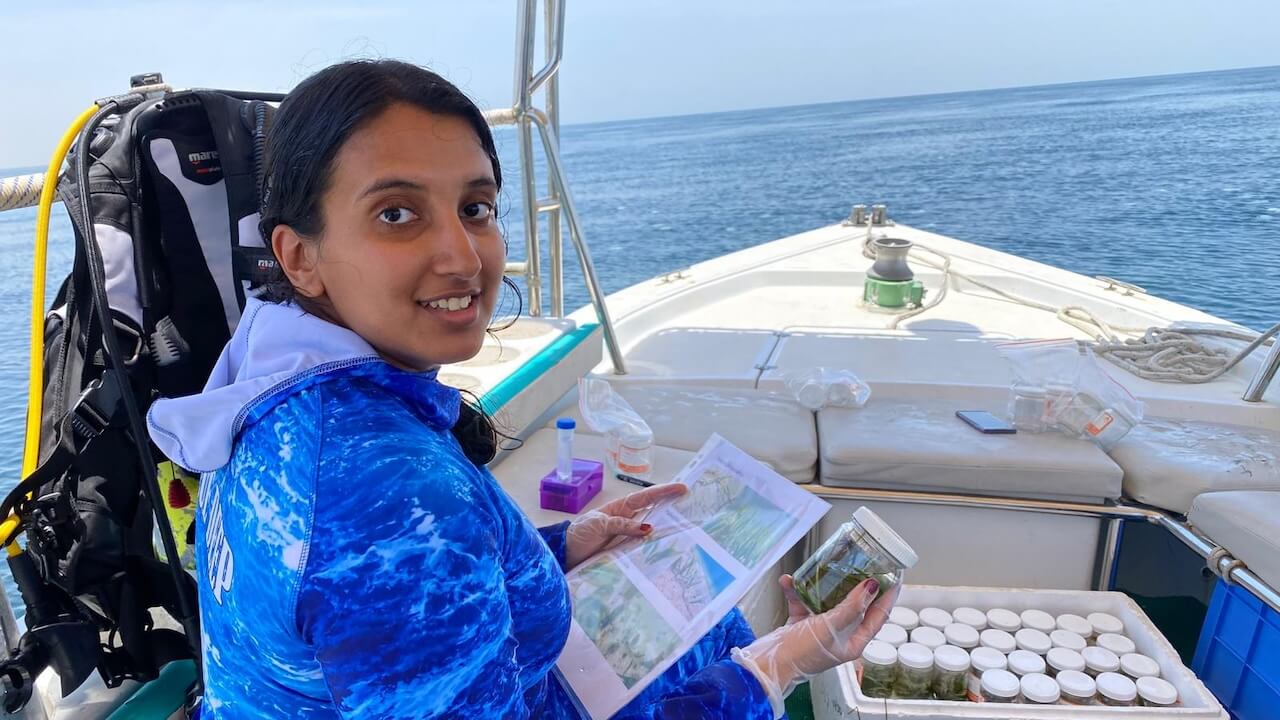
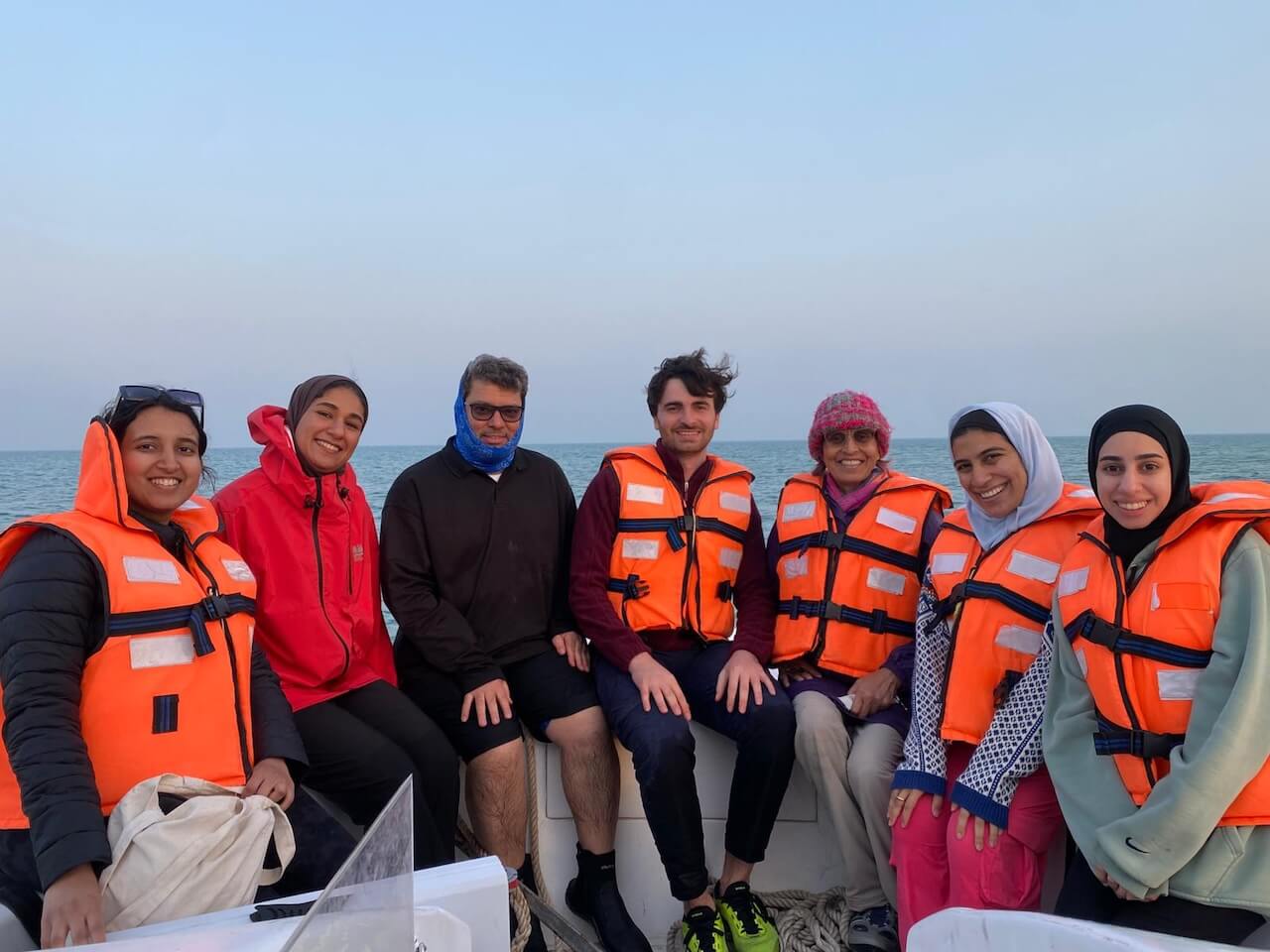
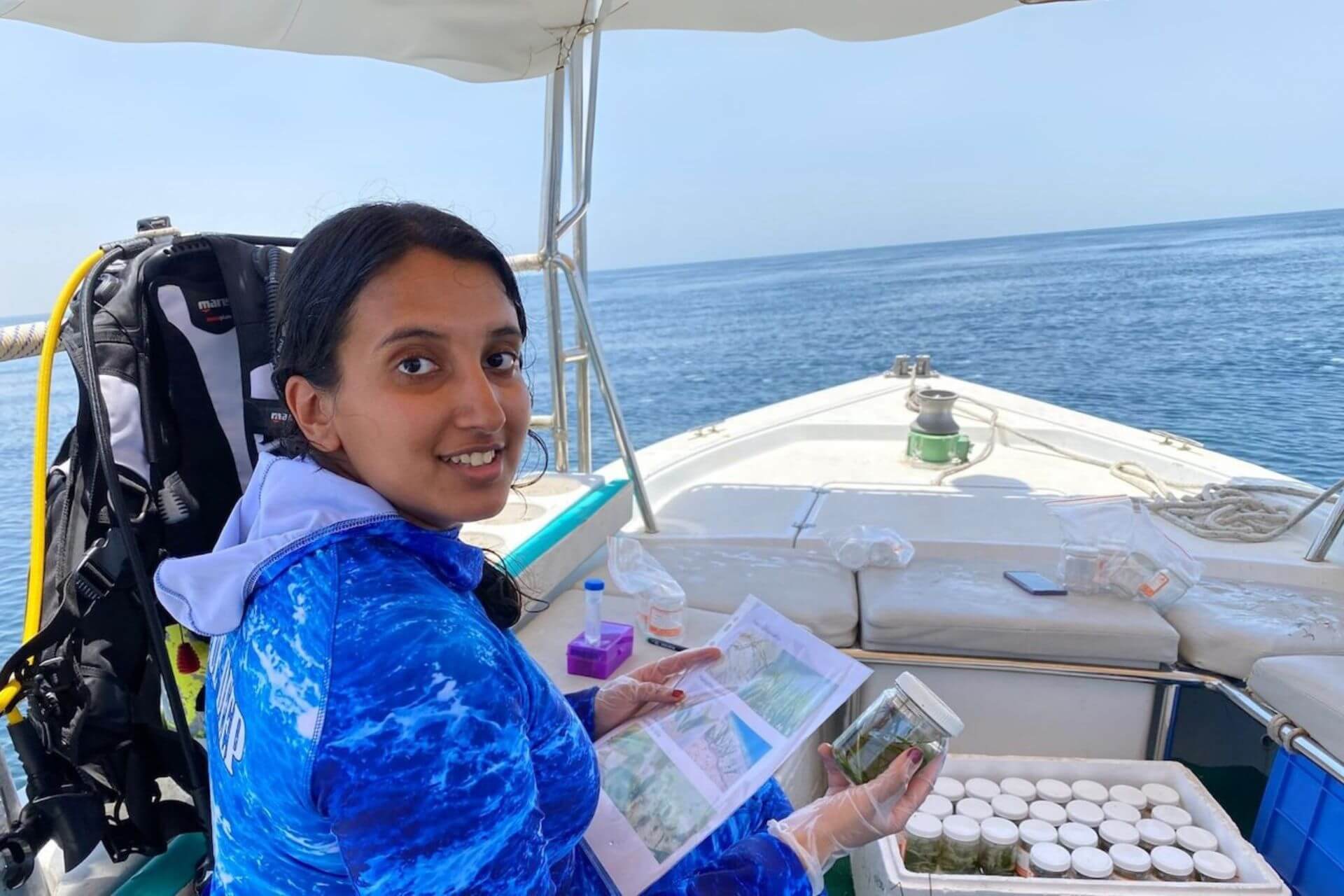
In another life, I am sitting in a high-rise office building in the AC, sipping on one of my very sweet coffee orders, living my corporate law girly lifestyle. In this one, I am out in 40°C (104°F for the American folks) on a boat, sweating profusely, labelling a gazillion jars while battling seasickness, though still indulging in very sweet karak. A lot of thoughts came to mind during those trips. First, how did I get here? Second, how am I still going?
The answer to the first, I don’t have. To the second, I often think back to a quote from Emma Watson’s HeForShe speech that teenage me had taped above my study desk: “If not me, then who? If not now, then when?” Environmental protection is a shared responsibility. None of us have all the answers, but we each have a part to play. So I threw up, doused myself in water, and kept going. And honestly, I wouldn’t have it any other way.
Fieldwork can be intense, but it’s also deeply rewarding. Behind the glamour of stunning natural sites and creatures, this is the reality of ecological fieldwork. And in the Middle East, where “extreme” might as well be our middle name, conditions can push even the toughest to their limits. Having now had a taste of this work, I have immense respect for the ecologists who do this work day in and day out.
Environmental protection also means protecting those who protect it. That means making sure ecologists have fair pay, proper safety measures, and the resources they need to do their work well. When the people on the front lines are supported, science is stronger and so is the future we’re all working to protect.
- True Change Starts with Listening and Trust
After participating in a course myself, I was fortunate to organise Harvesting Wisdom, a programme that took people out to Bahraini farms to learn directly from farmers about both traditional and modern agricultural practices.
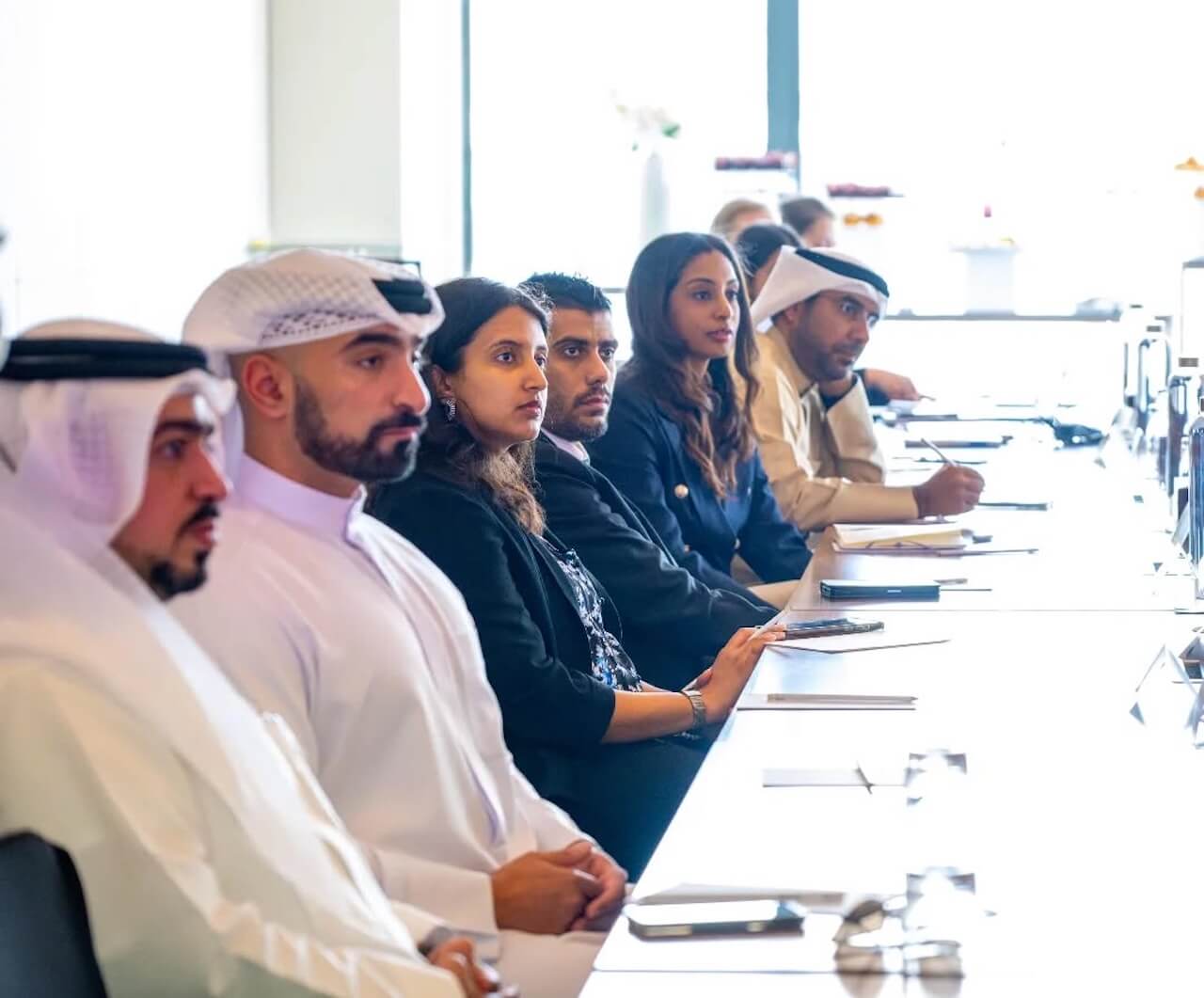
I had the privilege of speaking with local farmers and documenting their extensive knowledge, the challenges they face and getting to know them as people. What struck me most was how many said it was the first time anyone had truly taken the time to listen to them – a sentiment that was also expressed when I visited farms in the UK.
This made me reflect: how can we create effective policies if we don’t involve the people who live these realities every day? Lasting change can’t be forced; it happens when communities are brought into the process, helping them understand and be part of the solution.
Since policies are ultimately based on research, it’s important to examine where the knowledge comes from and how it is gathered. This is because without meaningful community involvement, the research risks missing the full picture and limiting its real-world impact. Thus, research needs to be a collaborative process built on respect and shared understanding.
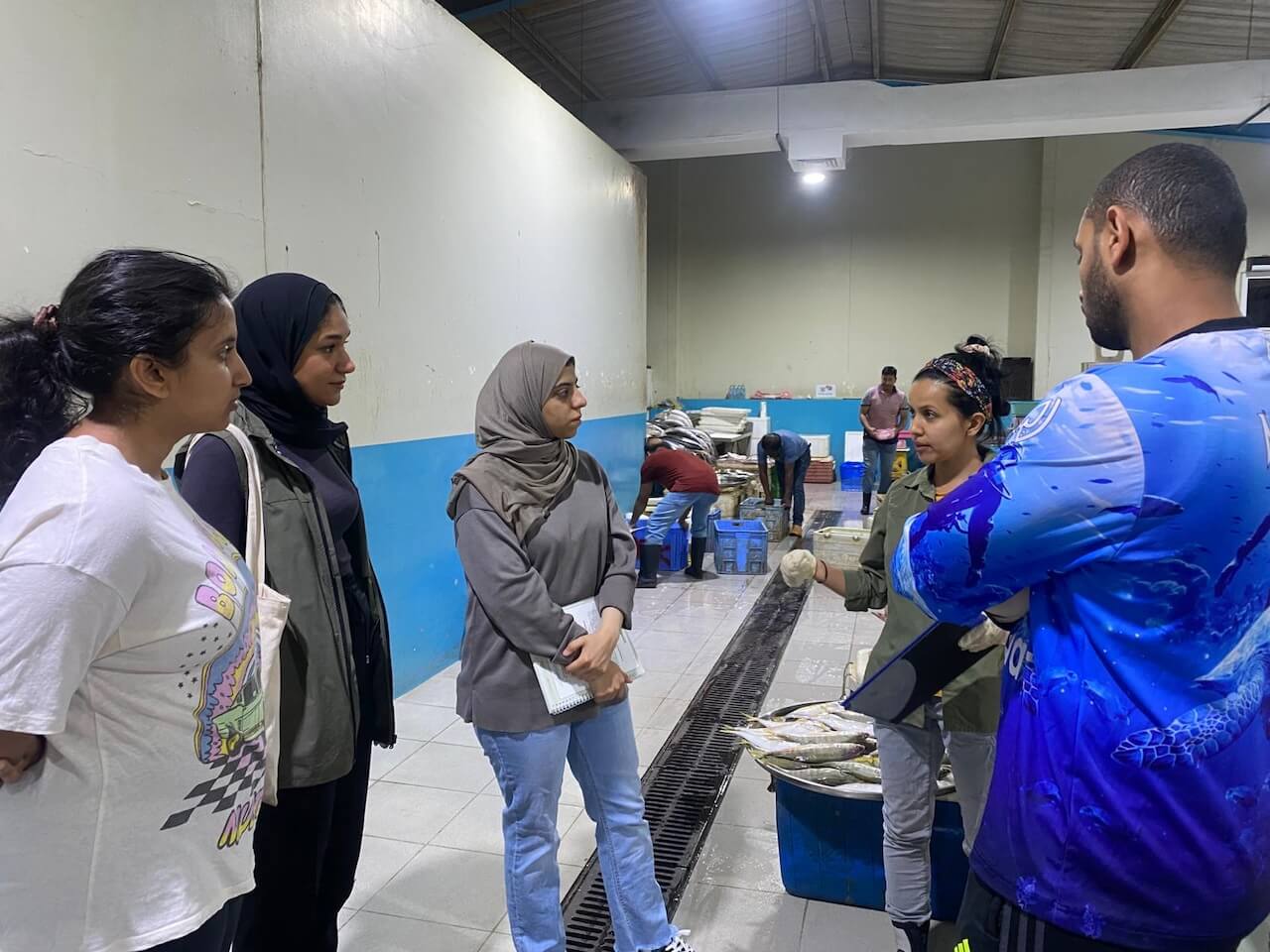
I witnessed this dynamic firsthand during 4 a.m. fish market surveys for Nuwat’s FinSight Project, a citizen science initiative. There, I learned not only how to document and identify sharks and rays, but also how much research and conservation benefit when local communities are involved and trusted. Just as connecting with nature inspires care, connecting with those who know it best is essential for creating policies and conservation strategies that truly work.
It’s been a truly wild six months, and these are just a few of my stories and reflections. But if you’ve stuck with me this far, I hope it made you think about something or at the very least sparked some curiosity.
A few years ago, I was uncertain (and in tears) about my next steps after exploring a very different career path. Now, I’m closing a chapter I never could have imagined: one that’s led me into the wild corners of Bahrain, introduced me to inspiring mentors, and taught me invaluable lessons I’ll carry with me forever.
This September, I’m grateful to begin my MSc in Environmental Technology at Imperial College London— moving closer to my dream of shaping environmental policy.
The hardest moments often teach us the most, guiding us toward something unexpected and meaningful. While I’m excited about what lies ahead, I’m also a little nervous — and that’s okay. Growth is rarely comfortable, but it’s always worth it.