
A Visit to Alia Autism Center
Bahrain 
Bridging Nature and Belonging: A Visit to Alia Autism Center
At Nuwat, we often speak about ecosystems not only as landscapes of soil, sea and sky, but as living networks of relationships. Communities, like ecosystems, thrive when diversity is not only accepted but understood, supported and allowed to express itself fully.
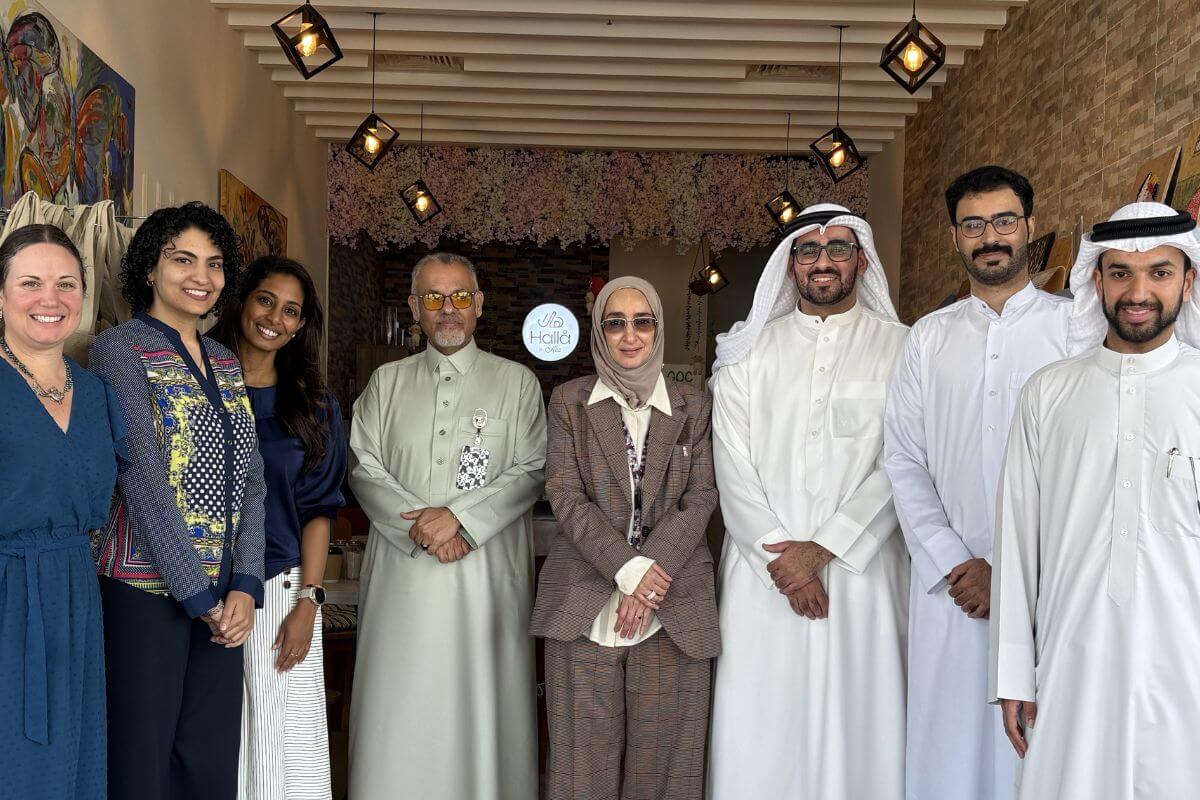
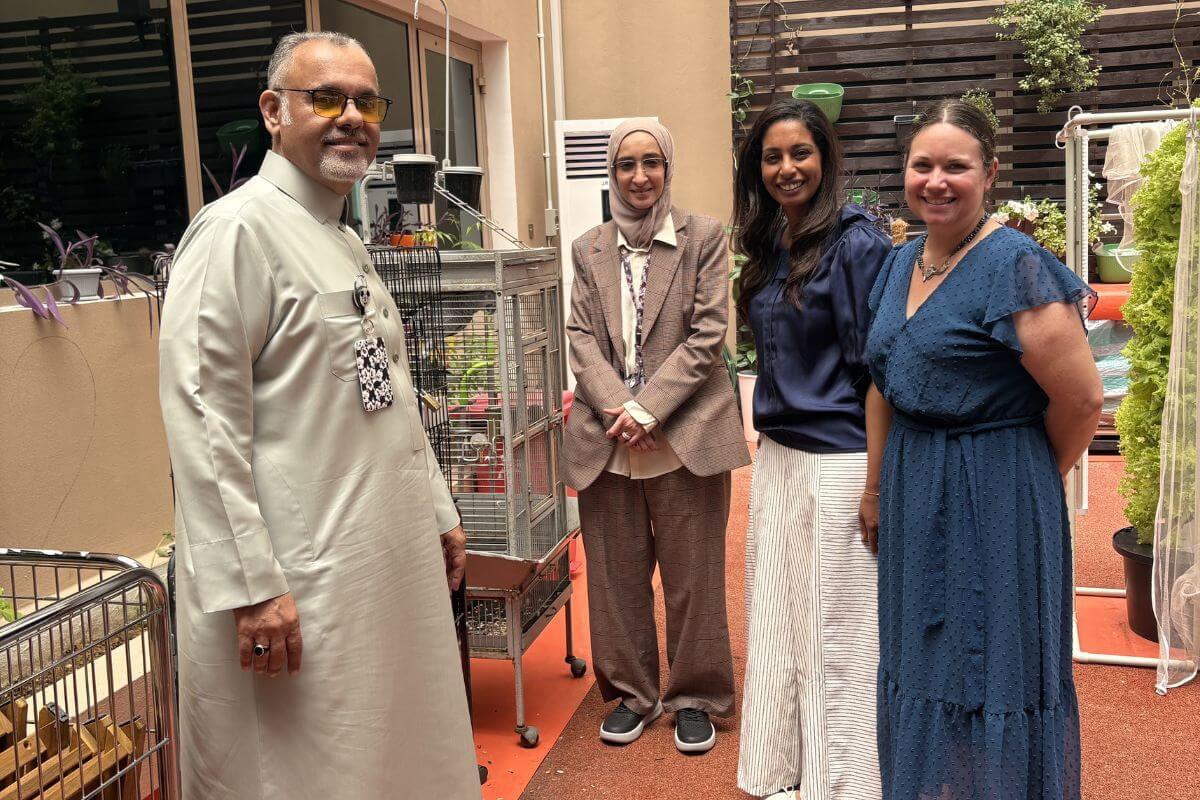
Our recent visit to the Alia Autism Center in A’ali was not simply a visit, it was a moment of witnessing. A reminder that care, when rooted in intention, can create environments where individuals and communities grow in harmony.
Where Inclusion Takes Root: Halla by Alia
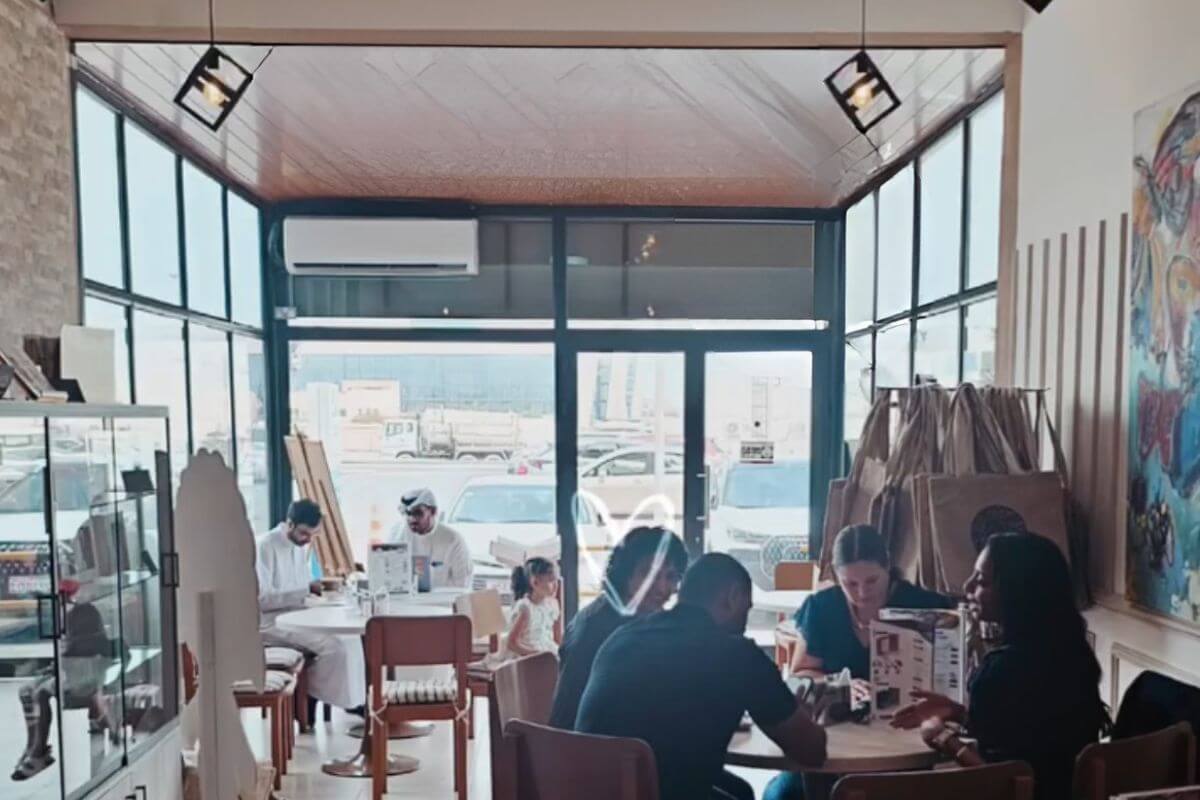
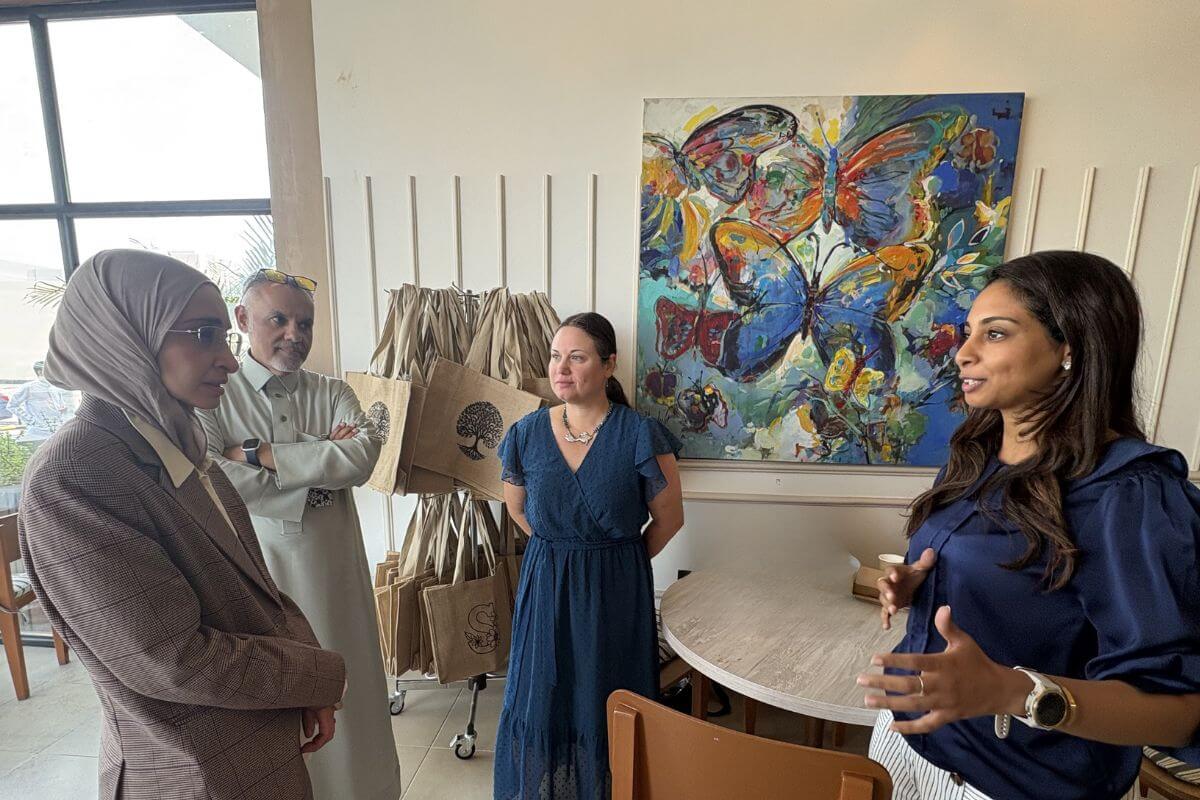
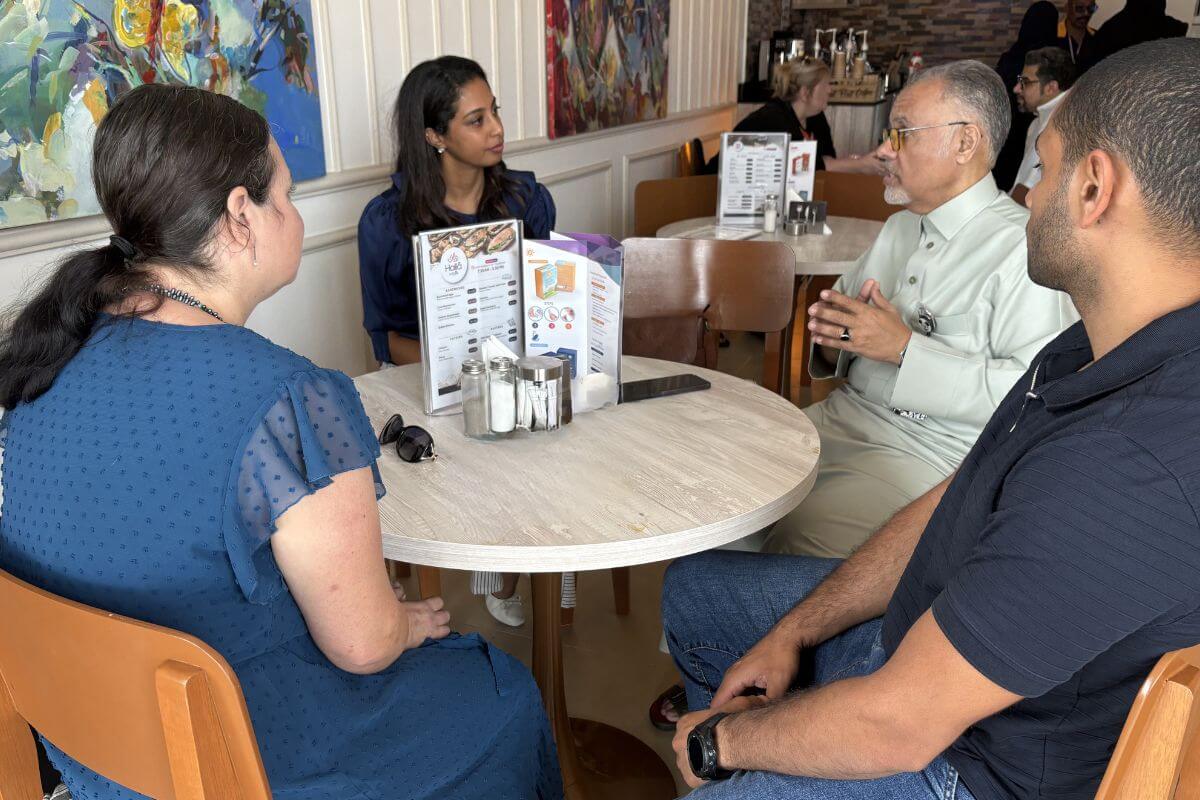
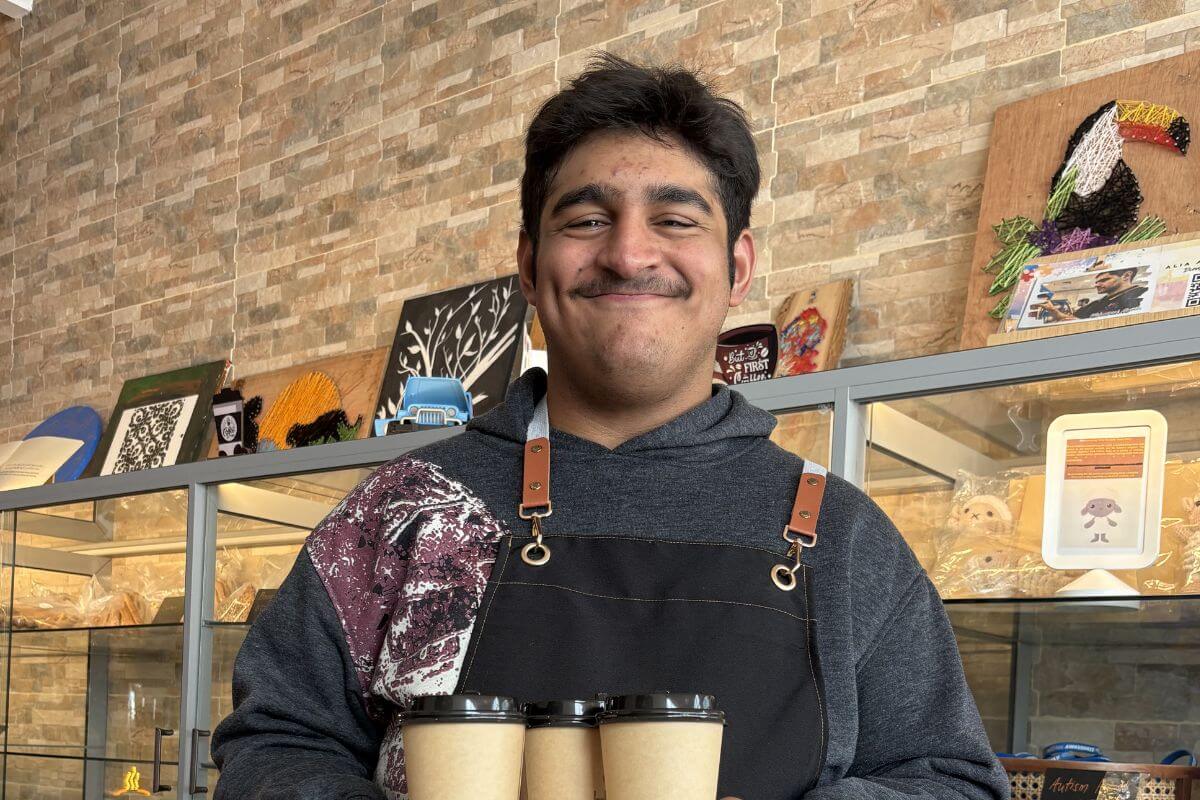
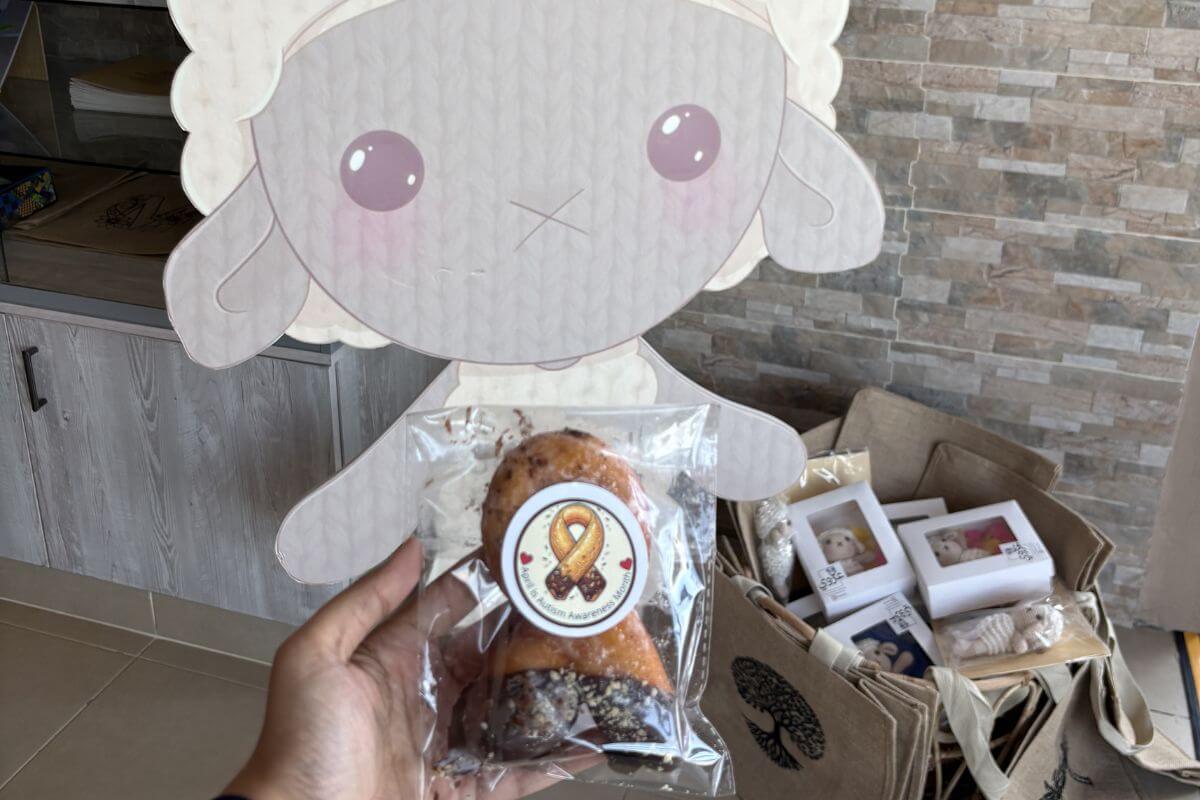
We began our journey at Halla by Alia, Bahrain’s first café fully operated by young adults on the autism spectrum. “Halla”meaning welcome, is not just a name; it is a feeling that meets you at the door. But beyond the warmth of hospitality lies something deeper: a reimagining of what inclusion can look like when it is designed with purpose.
Here, every cup of coffee, every prepared dish, becomes part of a larger story, one of agency, dignity and belonging. The café is not simply a space of service; it is a space of empowerment, where individuals are given the tools and trust to contribute meaningfully to their community.
In ecological terms, this is what we might call a balanced system where each individual plays a role and where the system itself adapts to support its members, rather than forcing them to conform.
Designing for Growth: The Rehabilitation Center
As we moved through the Alia Rehabilitation Center, it became clear that this philosophy extends far beyond a single space. The center offers a spectrum of therapies, speech, occupational and behavior, each designed not to “fix,” but to support individuals in navigating the world on their own terms.
There is a quiet intentionality in how these spaces are structured. Tools like PECS and sensory integration are not just methods, they are bridges. They allow expression where words may not come easily and create pathways for connection, autonomy and confidence. This reflects a principle we often return to at Nuwat: Resilience is not about uniformity, it is about adaptability.
A Living Sanctuary: The Indoor Sensory Garden
Perhaps the most profound part of the visit was stepping into the indoor sensory garden, the “Glasshouse.”
In this space, nature is not decorative. It is carefully curated, shaped and held in a way that supports sensory balance and emotional grounding. Light, texture and sound come together to form an environment that feels both contained and expansive. It is a reminder that nature, when thoughtfully integrated, can become a tool for healing, not only for ecosystems but for people.
The garden also serves as a space for community: hosting gatherings, conversations and shared moments of reflection. In this way, it mirrors natural systems once more where connection and exchange are as vital as the environment itself.
Rethinking What It Means to Care
At Nuwat, we believe that sustainability is not only about protecting landscapes, it is about how we design systems of care. The work being done at Alia Autism Center challenges us to think differently. It asks us to move beyond performative inclusion and instead consider what it means to build environments that truly respond to the needs of those within them.
This is not charity. It is not a one-time gesture.
It is a way of being, one that recognizes that every individual, like every species, has a role to play in the greater system and when we create spaces that honour this, we do more than support individuals. We strengthen the ecosystem as a whole.